
 People · Events · Communities

Quick answer: Chamber of commerce member engagement is how actively member businesses take part in and get value from their chamber. To grow it, win each new member’s first month, make personal introductions, vary event formats, promote members’ businesses, give members roles, segment your messages, and call members who go quiet before renewal.
Key takeaways
-
Business owners judge their chamber on return on investment, so engagement is the value they can see at renewal.
-
Help each member take their next step on the ladder: join, attend, connect, contribute, lead, advocate.
-
Personal contact still wins. Introductions, phone calls and small rooms beat another email blast.
-
Track one number, member participation rate, and call members who go quiet 60 to 90 days before renewal.
Every chamber of commerce makes the same promise: join us, and your business will be better connected. Chamber of commerce member engagement is how you keep that promise. The members who experience it renew. The ones who do not quietly leave.
Members do not cancel because they dislike the chamber. They cancel because they stopped showing up, and nobody noticed.
This guide covers what engagement means for a chamber, what recent research says, 10 practical ways to grow it, and how to measure it. It builds on our wider guide to member engagement strategies and fits alongside our complete guide to chamber of commerce management.
What is chamber of commerce member engagement?
Chamber of commerce member engagement is how actively member businesses, and the people who work in them, take part in and get value from their chamber through events, introductions, programs, communication, and leadership. For a chamber, engagement is less about how many emails a member opens and more about one question: is this membership helping their business?
An engaged member attends events, meets the right people, and sees the chamber as part of how they do business. A disengaged member pays dues and waits. Retention is the result you see at renewal; engagement drives it months earlier (see member retention vs. member engagement).
Why does member engagement matter for chambers right now?
Chamber members are business owners, and at renewal they ask whether the membership paid off. Engagement is how they answer.
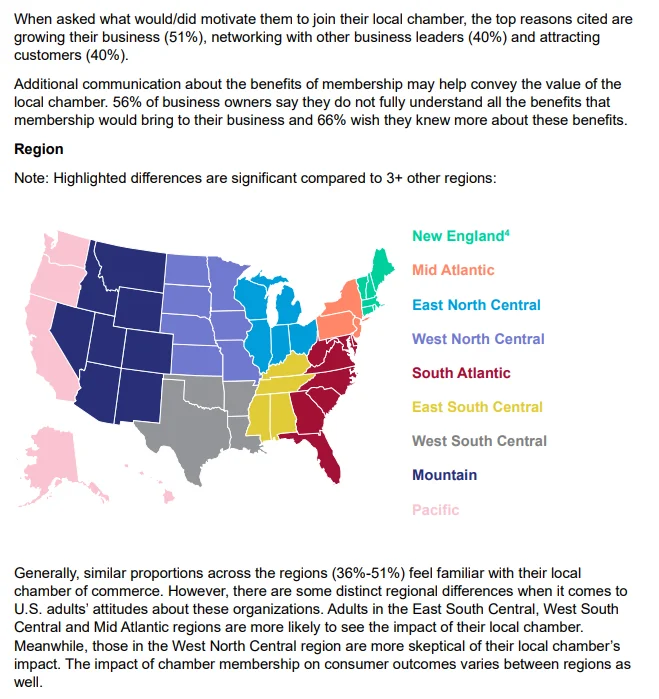
The public still trusts chambers. In the ACCE and Harris Poll public opinion survey on the impact and value of chambers of commerce, 81% of U.S. adults agreed their local chamber is a trusted resource and partner for businesses. The same 2024 survey found a value gap among business owners: 56% said they do not fully understand all the benefits membership would bring, and 66% wished they knew more about them. Owners’ top reason to join was growing their business (51%). The owner sample was small (141), so treat these figures as directional.
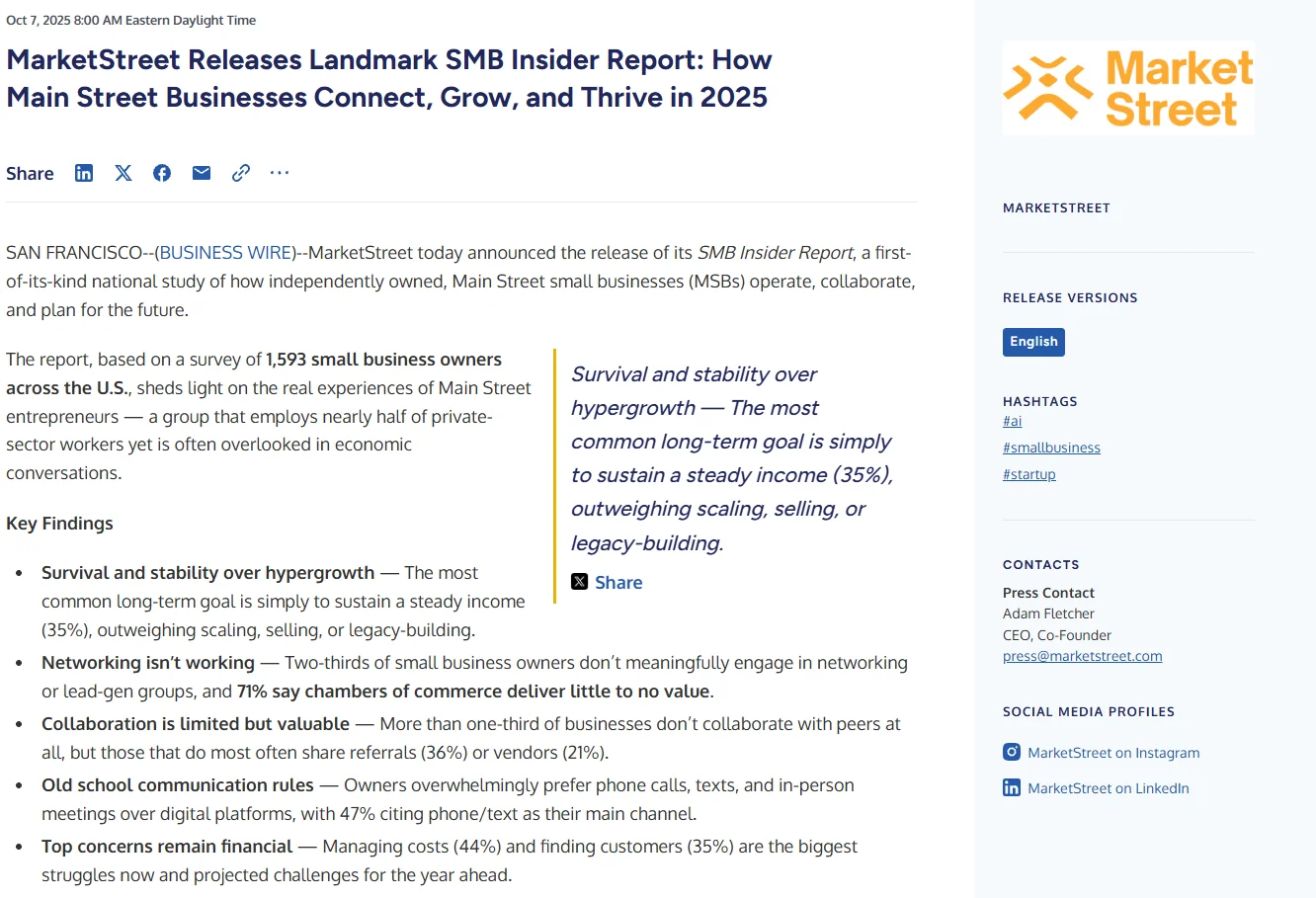
Not every survey is so friendly. The MarketStreet SMB Insider Report, announced on Business Wire, surveyed 1,593 U.S. small business owners and found that two-thirds do not meaningfully engage in networking or lead-gen groups, and 71% say chambers of commerce deliver little to no value. MarketStreet runs its own small-business community platform and the release gives limited methodology, so read it as a warning sign rather than a benchmark. Either way, the lesson is the same: if members cannot see the value, they will not stay for it.
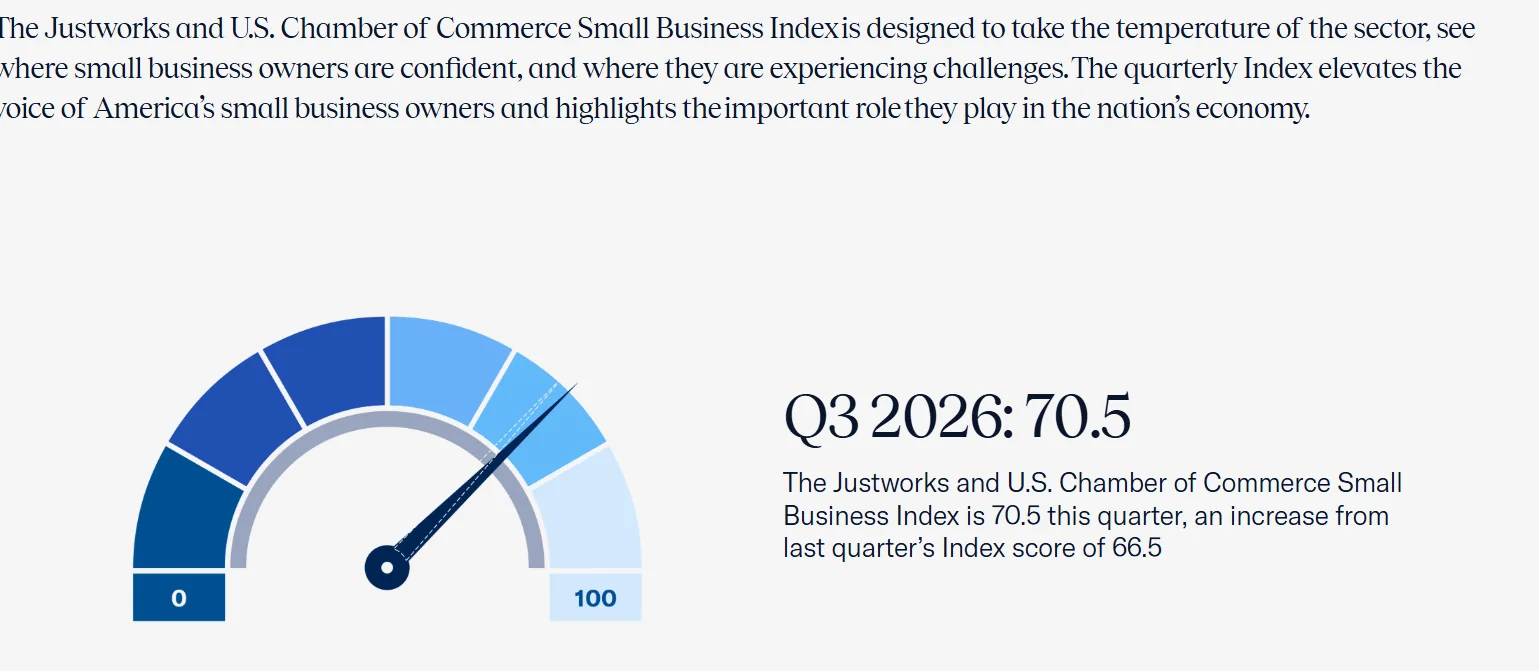
The U.S. Chamber of Commerce and MetLife Small Business Index for Q3 2026 reports that 54% of small business owners mark inflation as their biggest challenge right now. When costs rise, an unused membership is an easy cut.
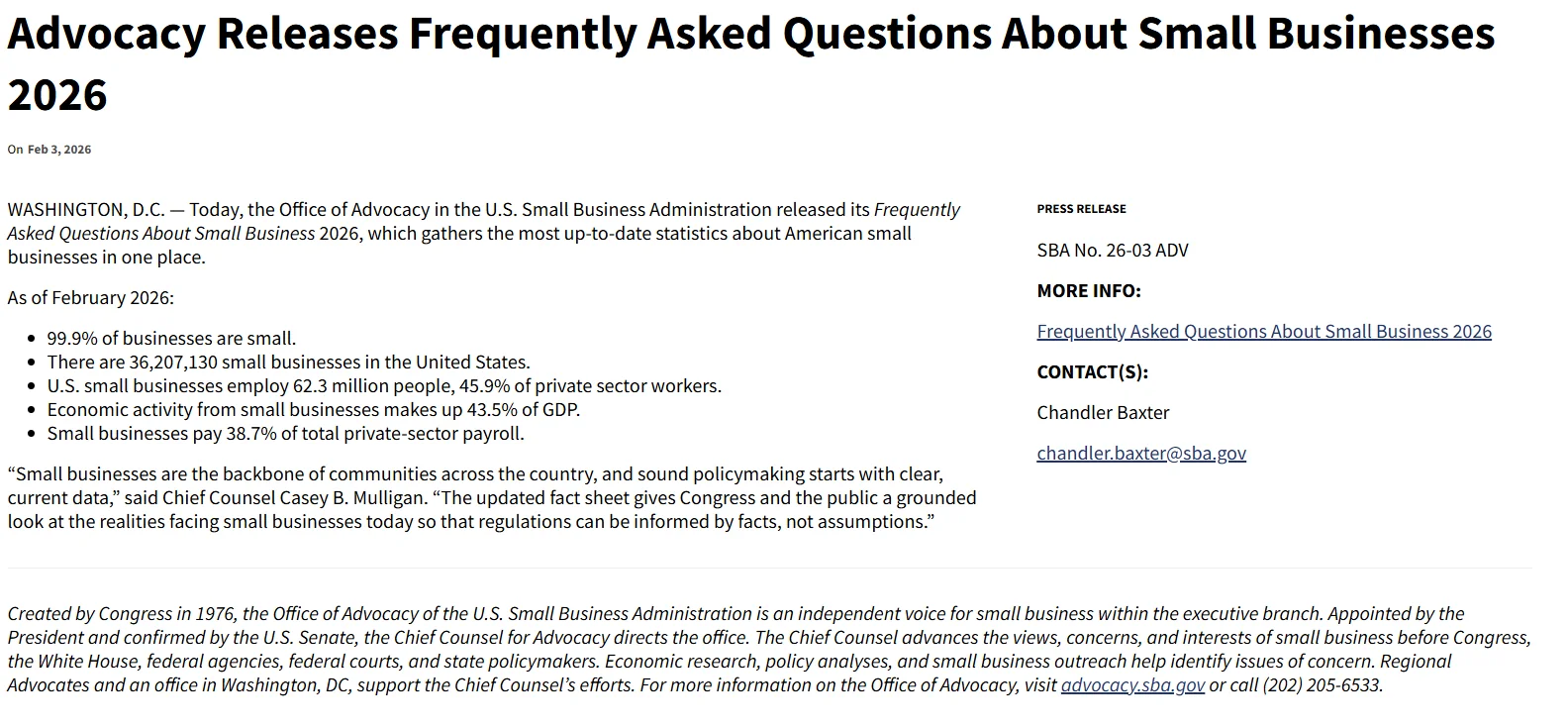
The audience is large. The SBA Office of Advocacy’s Frequently Asked Questions About Small Businesses 2026 counts 36,207,130 small businesses in the United States, 99.9% of all businesses, employing 62.3 million people, or 45.9% of private-sector workers. Most chamber members come from this group.
Engaged members also refer, sponsor and volunteer. In a chamber, your most engaged members are also your best recruiters, your strongest sponsors, and your future board.
What is the member engagement ladder?
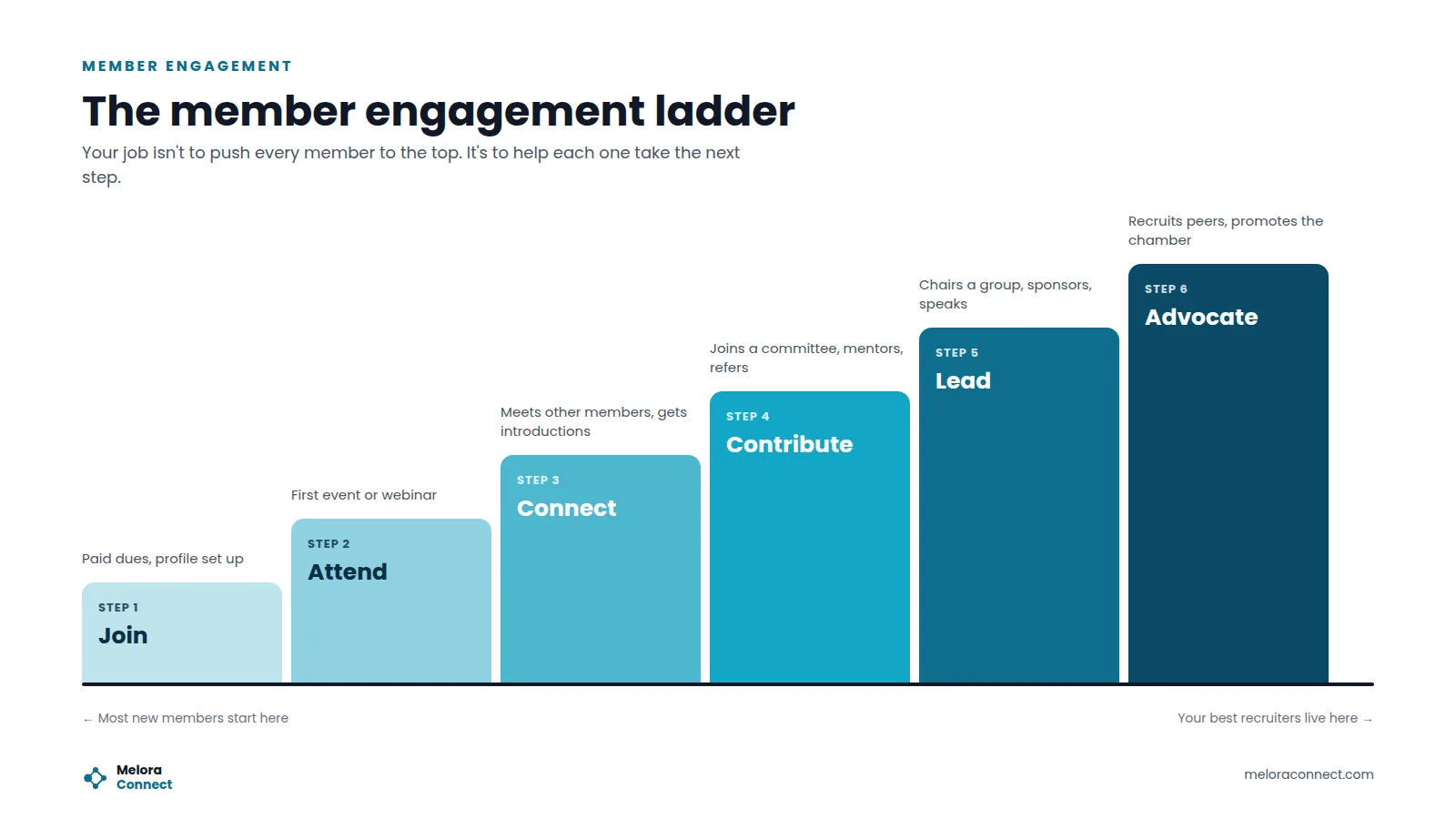
Think of chamber member engagement as a ladder with six steps: join, attend, connect, contribute, lead, and advocate.
Not every member needs to reach the top. A shop owner who attends four events a year and gets two good referrals is well engaged. The goal is to help each member take their next step, and to notice when someone is stuck on the first one.
How can a chamber of commerce increase member engagement? 10 ways
1. Win the first month
New members decide early whether the chamber is worth it, and the ACCE survey shows many owners do not fully understand what membership brings. Aim for one meaningful action in the first month, such as a ribbon cutting, a complete directory profile, or an introduction to an ambassador, and use our 90 day onboarding plan for the months after that.
2. Make introductions, not just events
Do not leave connections to chance at a crowded mixer. Make intentional introductions between members who should know each other, such as a new caterer and three event venues, and follow up a week later to see if the connection happened.
3. Mix up your event formats
Not everyone can attend an evening mixer. Offer breakfasts, lunch-and-learns, small industry roundtables, webinars, and a few signature events; small groups often create stronger connections than big rooms. Running several formats is easier when event management software handles registration, member pricing and check-in for all of them.
4. Promote your members’ businesses
Members value visibility. Feature them in newsletters and social media, keep the member directory current and easy to find, celebrate openings and milestones, and create member-to-member offers. When the chamber helps a member get noticed, they feel the value directly.
5. Give members a role
People stay where they feel needed. Committees, ambassador programs, mentoring, and event planning teams turn members from spectators into participants. Start with small, clear roles, like greeting new members at one event.
6. Send fewer, more relevant messages
A restaurant owner and a manufacturing executive need different things. Segment your communication by industry, business size, membership tier, interests, and membership stage, so each message feels relevant. Fewer, better emails beat a weekly blast.
7. Stay connected between events
Owners still prefer the personal route: in the MarketStreet survey, owners preferred phone calls, texts and in-person meetings over digital platforms, and 47% named phone or text as their main channel. Schedule short check-in calls, and keep committees and industry groups meeting between big events.
8. Recognize participation
Thank volunteers, highlight active members in your newsletter, and name your top referrers and committee members at the annual meeting. Small business owners rarely get thanked.
9. Ask for feedback and show you listened
Run a short survey twice a year, call a few members each month, and share what you changed because of their input. Members engage more when they see their opinion shapes the chamber.
10. Notice when members go quiet
Watch for early warning signs: no event attendance in months, unopened emails, an incomplete profile, a late payment. Reach out personally while there is still time, ideally 60 to 90 days before renewal with something specific, such as an introduction, not a generic “we miss you.” For the wider playbook, see how to reduce membership churn.
Know who to call first. List your members, score the warning signs side by side, and decide who gets a personal call before renewal, with our free Member Risk Scoring Sheet. Download the scoring sheet
Example: the employer membership nobody was using
This example is illustrative. Picture a chamber with 500 members. A regional manufacturer has paid top-tier dues for six years, but only its owner is on the member record, and he has not attended anything in a year. Rosa, the company’s HR director, has never heard from the chamber at all.
In a disconnected setup, nobody notices. The dues arrive on time, so the membership looks healthy until a new finance lead asks what the company gets for the money.
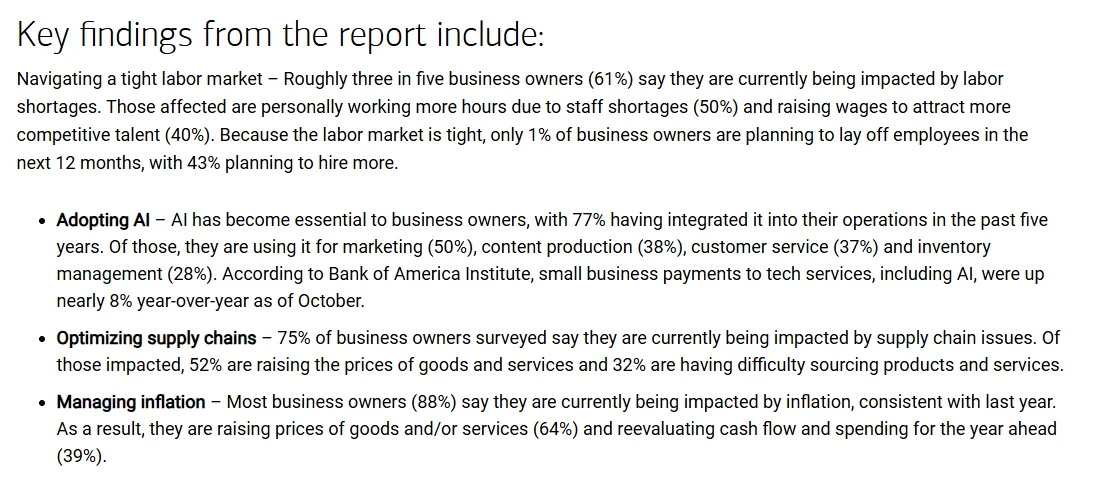
With connected member data, the gap shows up early: one paid membership, one contact, no activity. The membership director calls the owner, who says hiring is the real problem, a common pain. In the 2025 Bank of America Business Owner Report, 61% of small and mid-sized business owners said they are currently impacted by labor shortages, and 43% planned to hire more.
The director adds Rosa and two younger managers to the record. Rosa joins a hiring event, and the managers join the young professionals group. At renewal, the company keeps its tier and sponsors a breakfast series.
That outcome did not take a bigger staff. It took looking past the dues payment to the people behind it.
Which engagement ideas fit each type of member?
Different members need different invitations. Use this table to match your approach to where each member is.
| Member type | What they want | Best engagement ideas |
|---|---|---|
| New members | To understand the value quickly | Welcome call, ribbon cutting, ambassador introduction, beginner-friendly event |
| Small business owners | Customers and visibility | Directory profile, member spotlights, member-to-member deals, targeted introductions |
| Large employers | Talent, influence, and community presence | Hiring events, sponsorships, advocacy, leadership roles, more contacts on the record |
| Young professionals | Learning and career growth | Mentoring, workshops, young professionals group |
| Long-time members | Recognition and a sense of ownership | Committee chairs, speaking roles, awards |
| Inactive members | A reason to come back | Personal call, a specific introduction, an invitation to a small event |
What does a 12-month member engagement calendar look like?
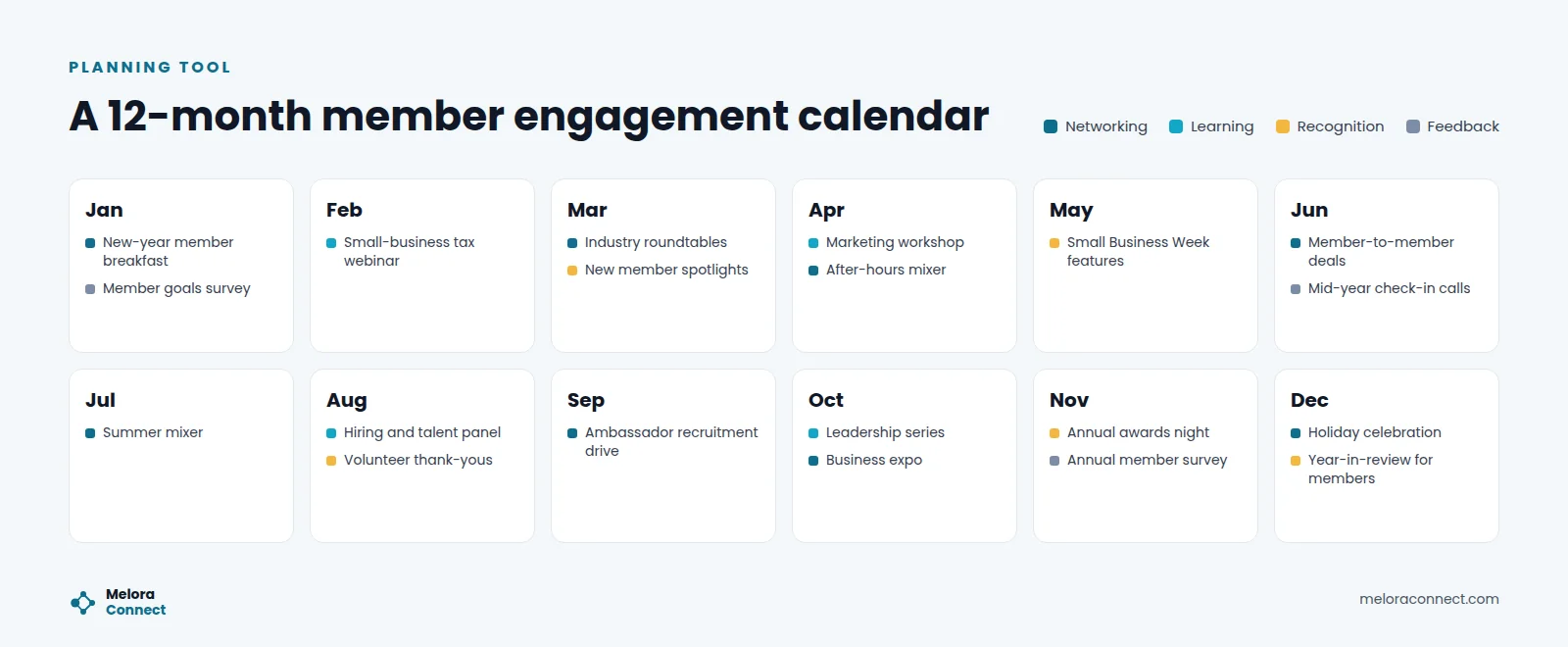
Planning a year ahead balances four threads: networking, learning, recognition, and feedback. Give every quarter at least one of each, and schedule two member surveys so you can report back on what changed. Adapt the calendar to your local business cycles; Small Business Week in May is a U.S. observance, so chambers elsewhere should swap in local dates.
How do you measure chamber of commerce member engagement?
If you track only one number, make it member participation rate: the share of members who took at least one meaningful action this quarter, such as registering for an event, updating a directory profile, joining a committee, or making a referral.
Member participation rate = members with at least one meaningful action this quarter ÷ total active members × 100.
Count at the business level: a company counts if any of its people took part, because the business pays dues.
Worked example (illustrative numbers): a chamber with 500 member businesses finds that 290 took at least one meaningful action between July and September. 290 ÷ 500 × 100 = 58%. After a quarter of first-month welcome calls and targeted introductions, 360 businesses take part: 72%. The 140 that did nothing are next quarter’s call list.
Our guide to member engagement metrics gives the formula for this and every other metric worth tracking, and a member engagement score shows the same picture member by member.
Review these five things every quarter:
- Participation rate this quarter compared with last quarter.
- New members (joined in the last 90 days) with no meaningful action yet.
- Members renewing in the next 60 to 90 days with no recent activity.
- Business memberships with only one contact on the record.
- Survey feedback you acted on, and whether you told members about it.
Is your engagement data spread across five tools? Add up what your chamber spends today on its member database, email, events and payment tools, side by side, with our free Chamber Tech Stack Cost Calculator. Use the calculator
How Melora Connect supports chamber member engagement
Most chambers we talk to do not lack engagement ideas. They lack a clear view of who is engaged, because events, email, payments, and committees live in different tools.
Melora Connect for chambers brings them together around one member record. Tiered business memberships and the public member directory run from that record. Event pages handle ticket tiers, member pricing, group and table orders, and check-in at the door, with one registration flow for in-person, virtual and hybrid events (online events carry their own join link, and with Zoom connected, Melora Connect creates the meeting and checks in the people who joined).
Committees, surveys, referrals, and advocacy campaigns run from the same place, and chapters, live since October 27, 2026, let you run neighborhood, industry or young professionals groups inside one chamber. Segmented email with merge fields goes out from the live record. On the staff side, smart segments surface new, at-risk, and lapsed members, engagement scoring shows who is taking part, and a Monday morning briefing sums up the week for your team.
Our team configures it around your membership tiers and your event calendar, migrates your data, and stays on as a managed service, with most chambers live about 30 days after signing, because you get a team, not a login.
See who is engaged, and who is drifting. Bring your membership tiers and next quarter’s events, and we will show you how smart segments and engagement scoring would look for a chamber like yours. Book a demo
Frequently asked questions about chamber of commerce member engagement
What is chamber of commerce member engagement?
Chamber of commerce member engagement is how actively member businesses, and the people who work in them, take part in and get value from their chamber. It shows up as event attendance, introductions, directory use, referrals, committee work and leadership roles, and it is the main reason business owners decide their membership is worth renewing.
How can a chamber of commerce increase member engagement?
A chamber of commerce can increase member engagement by winning each new member’s first month, making intentional introductions, offering varied event formats, promoting members’ businesses, giving members small roles, segmenting communication by industry and stage, recognizing participation, acting on feedback, and calling members personally when their activity drops before renewal.
How do you measure member engagement in a chamber of commerce?
Measure chamber member engagement with member participation rate: members with at least one meaningful action this quarter divided by total active members, times 100. Count at the business level, so a company counts if any of its people took part. Then use a member engagement score to see the same picture member by member.
Why do chamber members stop renewing?
Chamber members usually stop renewing because they cannot see the value, not because they dislike the chamber. They stopped attending, nobody noticed, and at renewal the dues look like a cost with no return. Rising costs make that review sharper. Reaching out 60 to 90 days before renewal gives you time to fix it.
How often should a chamber contact its members?
A chamber should give every member a relevant reason to engage at least once a month, but that does not mean a weekly email blast. Send fewer, segmented messages by industry and membership stage, add a personal call for new and quiet members, and survey members a couple of times a year so they can shape the program.
What is a good member participation rate for a chamber?
There is no published universal benchmark for chamber member participation rate, because chambers count actions differently. The useful comparison is your own trend: measure the same actions every quarter and aim to raise the share of businesses that took part. Focus first on new members and those renewing in the next 90 days.
The bottom line
Member engagement is not a campaign. It is the everyday work of helping each member take their next step, from first event to first introduction to first committee seat. Business owners trust chambers, but many still cannot name what membership does for them. Chambers that see who is engaged, and act on it early, do not have to work as hard at renewal time. Their members already know why they belong.
Turn quiet members into active ones. See member records, events, smart segments and engagement scoring in one place in Melora Connect. Book a demo
Sources
- ACCE (Association of Chamber of Commerce Executives) and The Harris Poll, Public Opinion Poll: The Impact and Value of Chambers of Commerce, Sep 2024 (report cover; released Nov 2024).
- MarketStreet via Business Wire, MarketStreet Releases Landmark SMB Insider Report: How Main Street Businesses Connect, Grow, and Thrive in 2025, Oct 7, 2025.
- U.S. Chamber of Commerce and MetLife, Small Business Index Q3 2026, Jul 30, 2026.
- SBA Office of Advocacy, Advocacy Releases Frequently Asked Questions About Small Businesses 2026, Feb 3, 2026.
- Bank of America, BofA Report: 74% of Small and Mid-Sized Business Owners Expect Revenue to Increase in the Next Year (2025 Business Owner Report), Nov 18, 2025.